Technology has turned fitness into a numbers game. For many, smartwatches and fitness apps have become daily motivators, guiding everything from step counts to sleep cycles. In South Florida, where health culture stays strong year-round, tracking activity through devices like the Apple Watch or Fitbit is almost second nature. Students, professionals, and fitness enthusiasts use these tools to stay on track and accountable for their goals.
Dr. Jennifer R. Garcia from NSU’s Dr. Kiran C. Patel College of Osteopathic Medicine explained that health apps have evolved far beyond simple step counters. “They now integrate fitness, sleep, mental health, and even electronic health records,” she said.
This evolution has made data-driven wellness more accessible but also more consuming.
Accountability or Obsession?
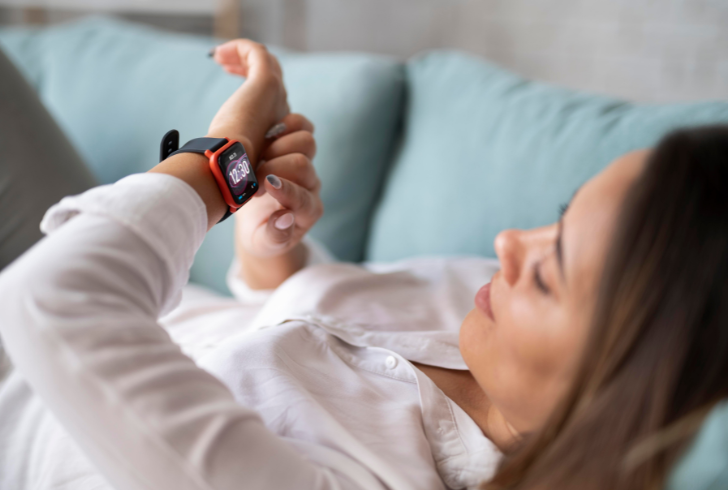
Freepik | Fitness trackers inspire discipline, yet they can quietly turn motivation into obsession.
For many users, daily metrics serve as motivation. A set goal, whether it’s burning 600 calories, staying active for an hour, or standing for 10 hours, keeps them focused and disciplined. That structure can be beneficial, especially for busy students and professionals trying to balance routines.
However, experts warn that this constant tracking can lead to unintended consequences. Dr. Jaime Tartar, a neuroscientist at NSU, explained that wearable technology has improved in accuracy, especially for tracking sleep duration and quality.
Still, she highlighted a growing issue known as orthosomnia, sleep anxiety caused by obsessing over sleep data. “If tracking makes people anxious about not sleeping enough, it’s probably not a good idea to rely on those devices,” she said.
When Tracking Turns Into Pressure
Many users admit to feeling addicted to their apps. Competing with friends or pushing to hit step goals may start as motivation but can quickly turn stressful. Frantzy Charles, a master’s student at FAU, shared that he checks his Apple Watch constantly to ensure he reaches 10,000 steps. While that routine helps him stay active, he acknowledges that it can feel like an obligation instead of enjoyment.
Psychologist Dr. Jonathan Banks advises balance. "Tracking health data is helpful, but taking breaks is just as important," he said. "Check in with your feelings first thing in the morning, not just what your app tells you." His counsel highlights the increasing understanding that self-awareness should take precedence over statistics.
The Paradox of Tracking Progress
A study by Duke University’s Fuqua School of Business revealed an interesting paradox. Participants who tracked their steps reported walking less and feeling less satisfied. Instead of enjoying a peaceful stroll, they began to view walking as another task to complete.
This pressure often affects mental well-being. Nutritionist Elizabeth Moye described her experience with Fitbit on her blog Hello Spoonful, where she admitted that step-tracking became addictive.
She constantly pushed herself to hit higher goals and soon found her workouts losing their joy. What once felt like fun turned into an exhausting obsession. Eventually, she stopped tracking her steps entirely to regain balance in her routine.
Expert Insights on Digital Health

Freepik | Mindful use of wearables promotes health, while relying too heavily causes stress.
Health experts agree that wearables are valuable tools when used mindfully. They help users stay aware of their habits, promote accountability, and encourage consistent activity. But relying too heavily on data can cause stress and disrupt healthy behavior patterns.
Dr. Alison Brager, a researcher who worked with the U.S. Army on wearable testing, explained that these devices work well for performance enhancement but should never replace medical expertise. “Apps can support wellness, but they cannot make clinical diagnoses. That’s a doctor’s job,” she said.
This perspective highlights a key issue: while technology provides data, it cannot interpret emotions, stress, or overall well-being. Relying on trackers without considering mental health may cause more harm than good.
Finding Balance in the Digital Health Era
Fitness trackers themselves aren’t the problem—their impact depends on how they’re used. When approached thoughtfully, they can encourage motivation and consistency. However, relying too heavily on numbers can cause health goals to shift from self-awareness to self-judgment.
Experts suggest setting boundaries around app usage and prioritizing physical sensations over constant data checking. Allowing time for rest, stepping away from metrics, and recognizing that wellness includes enjoyment—not just improvement—are essential.
As fitness technology evolves and delivers more detailed insights, maintaining balance becomes increasingly important. True well-being lies in blending informed tracking with mindfulness, ambition with recovery. When used with intention, wearables can enhance health without dominating it, supporting healthier habits rather than dictating behavior.