Not all sweet potatoes are created equal. Some cook up soft and sweet, while others turn out stringy or dry—and it all starts with what you choose at the store. With a few simple tips, you can quickly spot high-quality sweet potatoes and avoid the ones that won’t deliver the taste or texture you want.
Here’s how to pick the perfect ones every time you shop.
Pick the Right Size
Medium-sized sweet potatoes often deliver the best results in both taste and texture. Large ones can become fibrous and tough, while very small ones may dry out quickly. The potato should feel dense and slightly heavy, a clear indicator that it’s fresh and filled with moisture.
A sweet potato that feels lighter than expected might have lost water and flavor. Selecting evenly shaped ones also ensures uniform cooking, no one likes unevenly baked or roasted potatoes.
Look for Smooth, Taut Skin
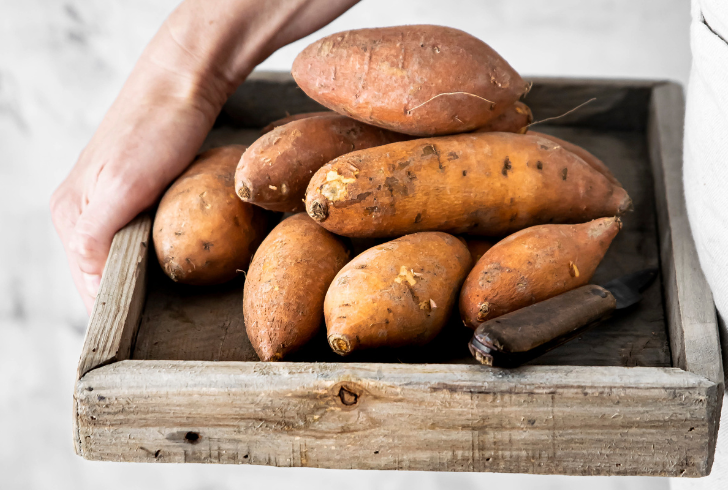
Freepik | Look for sweet potatoes with smooth, tight skin, and avoid deep cracks or soft spots for the best quality.
A flawless exterior says a lot about quality. Experts recommend choosing sweet potatoes with smooth, tight skin and a slight natural sheen. Small surface marks from soil or handling are normal, but deep cracks or bruises mean the potato is past its prime. Soft spots, shriveled areas, or dull patches usually signal dehydration or decay.
According to nutrition experts, skin texture matters more than color. Different varieties have unique hues, from copper to red to purple, each offering its own taste and texture. A pale potato isn’t necessarily bad, it could just be a different variety.
Check for a Subtle, Earthy Aroma
Fresh sweet potatoes carry a mild, earthy scent. A strong or sour odor signals spoilage. A faintly sweet aroma is a good sign, showing the potato is still in peak condition. Potatoes that smell fermented or tangy should be skipped, they’ve likely gone bad or started to rot.
Experts explain that a wholesome scent means the potato was recently harvested. This subtle fragrance often mirrors the freshness of soil, confirming that it hasn’t been stored too long.
Explore the Colorful Varieties
Sweet potatoes come in several varieties, each offering a unique texture and taste.
1. Orange-fleshed varieties – Known as Beauregard, Jewel, or Garnet, these are moist, sweet, and rich in beta-carotene.
2. White or cream-fleshed varieties – Often called Hannah or O’Henry, they’re drier with a mild, chestnut-like flavor.
3. Purple varieties – Also known as Stokes, Purple, or Okinawan, these are dense, slightly starchy, and rich in antioxidants.
4. Red varieties – Commonly referred to as Japanese or Satsumaimo, they feature firm flesh and a nutty flavor profile.
Each type adds its own twist to both sweet and savory dishes, making them versatile for everything from casseroles to fries.
Proper Storage Keeps Them Fresh Longer
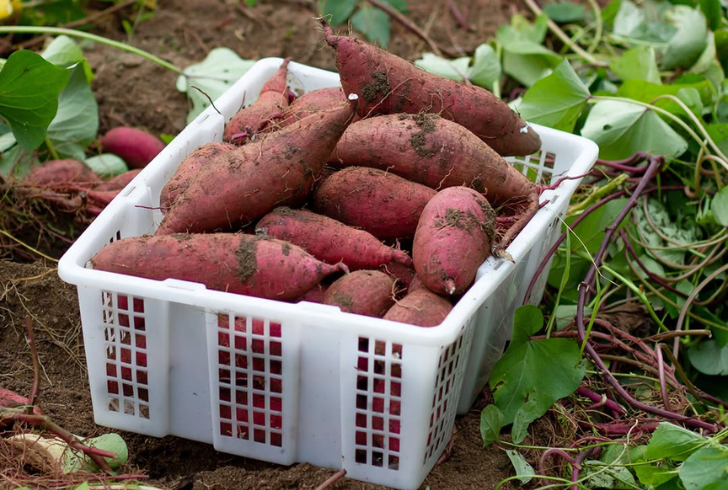
Instagram | @lifeofasweetpotato | Store sweet potatoes in a cool, dry place with airflow, and avoid the fridge to keep them fresh longer.
Storage plays a huge role in maintaining quality. Keep sweet potatoes in a cool, dry, and well-ventilated space. A basket, paper bag, or open bin works perfectly. Avoid sealing them in plastic bags since that traps moisture and speeds up spoilage.
Refrigeration also changes the texture, creating a hard center and an unpleasant flavor. When stored correctly, sweet potatoes stay fresh for about two weeks. Once cut, wrap them tightly and refrigerate for up to two days. To extend their shelf life, blanch or freeze them before storage.
Keep the Sweetness Alive
Selecting the perfect sweet potato isn’t complicated, it’s about observing, touching, and even smelling. When the skin looks taut, the shape feels even, and the scent is earthy, that’s a winning pick.
The next time a craving for roasted sweet potatoes or a creamy pie strikes, knowing what to look for ensures that every bite tastes naturally rich and satisfying. With the right choices, those simple spuds turn into something unforgettable on any table.