Your kitchen sponge looks harmless. It sits by the sink, ready for dishes and quick wipe downs. But it hides a messy truth that most people ignore. Hence, replacing it frequently is inevitable.
But how often should you replace it? The short answer is simple. You should replace your kitchen sponge every one to two weeks. That may sound frequent, but science backs it up. Sponges trap food, hold moisture, and create the perfect space for bacteria to grow fast.
Why Kitchen Sponges Get So Dirty So Fast?
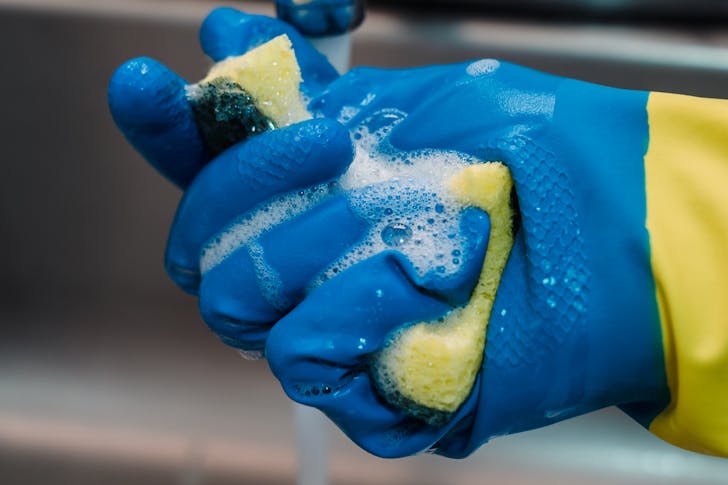
Liliana / Pexels / A sponge works like a magnet for grime. Every time you wipe a plate or counter, tiny food bits get stuck inside.
Water stays trapped in those tiny holes, which keeps the sponge damp all day.
That damp space is ideal for bacteria. Studies show that sponges can hold bacteria levels close to what you would find in feces. Within three to four days, those germs can multiply to worrying levels without you noticing anything wrong.
The structure of a sponge makes the problem worse. It has pores and crevices that are hard to clean fully. Even if it looks clean on the surface, the inside can be packed with microbes.
Some of those microbes are not harmless. Sponges can carry bacteria like E. coli, Salmonella, and Staphylococcus. These can lead to stomach issues and other infections if they spread to your dishes or hands.
Can You Clean a Sponge Instead of Replacing It?
Many people try to extend a sponge’s life. You may have heard tips like microwaving it, boiling it, or running it through the dishwasher. These methods can kill some bacteria.
They do not solve the full problem. Research suggests that these cleaning methods may leave behind tougher bacteria. Over time, those stronger strains can grow even more inside the sponge.
A sanitized sponge is not the same as a sterile one. You reduce germs, but you do not remove all of them. That means the sponge still becomes risky if you keep using it for too long. Think of cleaning as a short-term fix. It helps keep things under control for a few days. It does not replace the need for a fresh sponge.
How to Know When You Need Sponge Replacement?
You do not always need a calendar to decide. Your senses can tell you when a sponge is past its prime. The first sign is smell. If it has a sour or musty odor, it is already full of bacteria.
Texture also matters. A slimy or overly soft feel means buildup has taken over. That slippery layer is often a mix of bacteria and residue. Look at the color and condition. Dark spots, stains, or a peeling scrub pad are clear warnings. Once the sponge starts breaking down, it cannot clean well anymore.
Even if it looks fine, time still matters. If you have used it daily for over a week, it is safer to replace it. Waiting too long only increases the risk of spreading germs around your kitchen.
Usage Affects Replacement Frequency
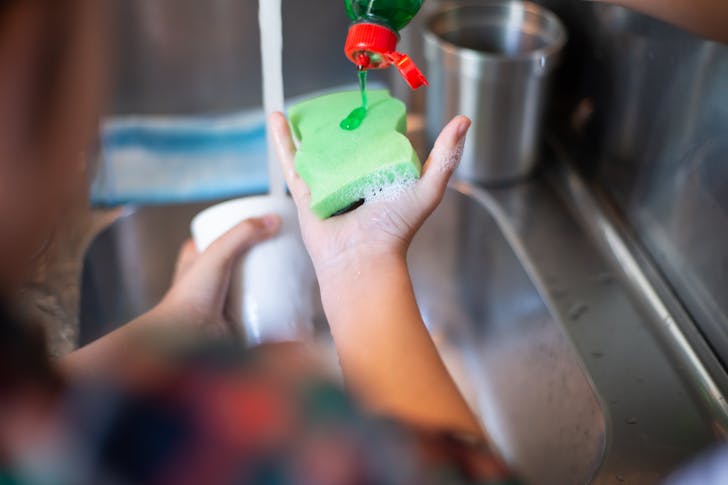
Kampus / Pexels / A sponge used for heavy scrubbing will wear out faster. If you cook often and clean large meals, your sponge takes more abuse.
In that case, weekly replacement makes sense. Frequent cooking means more food residue and more moisture. That speeds up bacterial growth.
If you cook less often, you may stretch it closer to two weeks. Light use slows down buildup, but it does not stop it completely. Germs still grow as long as the sponge stays damp.
Some brands suggest longer timelines. A few recommend three weeks or even a month. Many cleaning experts disagree and suggest a shorter cycle for better hygiene.