Scrambled eggs look almost impossible to mess up. Crack a few eggs, beat them, pour them into a pan, and breakfast should be ready within minutes. Yet there is a big difference between decent scrambled eggs and genuinely great ones. The best version stays tender and moist, with soft curds that almost melt when you take a bite.
Getting that texture does not start with a fancy skillet or expensive eggs. One of the most useful steps happens about 15 minutes before you turn on the stove. Salt your beaten eggs early, then leave them alone for a short rest. That small change can produce softer scrambled eggs without adding another complicated cooking step.
It sounds strange because many home cooks season eggs right before cooking. Some even wait until the eggs reach the plate because they have heard that early salting makes eggs watery or tough.
Salt Your Scrambled Eggs Before Cooking
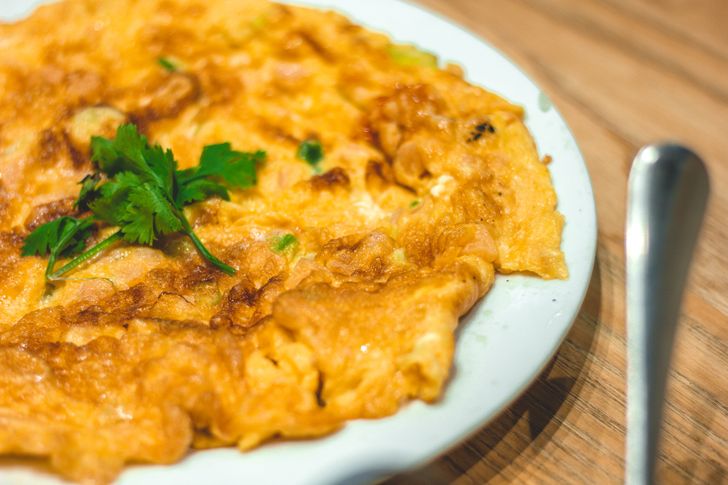
Padre / Pexels / Eggs contain proteins that change when exposed to heat. As the temperature rises, those proteins unfold and connect with each other, creating the familiar structure of cooked scrambled eggs.
Too much heat makes that network tighten aggressively. Moisture gets pushed out, the curds become firm, and your soft breakfast can quickly turn into a pile of dry yellow chunks.
Salt can influence that process before the eggs ever touch the pan. When you mix salt into beaten eggs and give it time to work, it affects the proteins and helps produce a softer texture during cooking.
A rest of about 15 minutes gives the salt time to interact with the mixture. You do not need to leave the eggs sitting around for an hour or turn breakfast into a chemistry experiment. Start by cracking the eggs into a bowl and adding your salt. Beat everything thoroughly until the yolks and whites become one smooth mixture, then let the bowl rest while you prepare the rest of breakfast.
This waiting period is also useful in a practical sense. You can make toast, brew coffee, chop herbs, grate cheese, or prepare whatever else you plan to serve alongside the eggs. The important part is mixing the salt evenly. A few quick stirs will break the yolks, but thorough whisking creates a more uniform mixture and gives the finished eggs a consistent texture.
Milk Is Not Your Only Option
The next decision concerns something home cooks have argued about for years. Should you add milk to scrambled eggs, or should you leave dairy out completely? Milk can work, but adding too much may thin the egg mixture and weaken its flavor. If you want richer scrambled eggs, cream can provide more fat without making the mixture taste overly diluted.
Crème fraîche offers another option for especially creamy eggs. Its richness and slight tang can give the finished dish more character, especially when stirred in near the end of cooking. Gordon Ramsay famously uses crème fraîche in his creamy scrambled eggs. His approach also relies heavily on controlling temperature rather than simply pouring eggs into a screaming hot pan and hoping for the best.
Gentle Heat Makes Creamier Scrambled Eggs
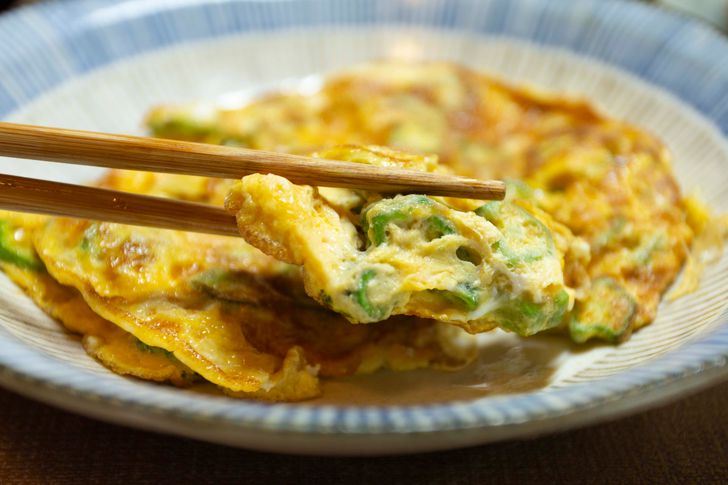
Gu / Pexels / As the eggs warm, stir them regularly so the cooked portions mix with the softer egg and form small, tender curds.
Ramsay's well-known method takes temperature control even further. He moves the pan on and off the heat while stirring, which slows cooking whenever the eggs begin setting too quickly. You do not need to copy every movement exactly to get good results. The useful lesson is simple: control the heat instead of letting the heat control your eggs.
Take the pan away from the burner when the eggs start cooking too aggressively. Return it when they need more heat, then continue stirring until the mixture approaches the texture you want.
Remember that eggs keep cooking from residual heat after you remove the pan. Waiting until they look completely finished over the burner can leave them noticeably firmer by the time they reach your plate.