Most people grab a sponge without thinking about the color. But those colors are not random. Each one signals how rough or gentle the sponge is, and choosing the wrong type can scratch your cookware or spread germs around the kitchen.
A little color awareness can protect your pots, pans, and appliances, and it can even help you keep a cleaner and safer space.
Blue Sponges
The most popular ones, blue sponges, sit at the lowest level of abrasiveness. They have a soft texture that glides over surfaces instead of grinding into them, which makes them perfect for glassware, wine glasses, and stainless steel appliances. If you want a clean shine with zero scratches, blue is the safest choice in the drawer.
These sponges also help you avoid those tiny swirl marks that show up on delicate items. When you clean sensitive surfaces with excessive force or texture, you shorten their lifespan. A blue sponge solves that problem by staying gentle while still lifting grime and fingerprints.
Yellow Sponges
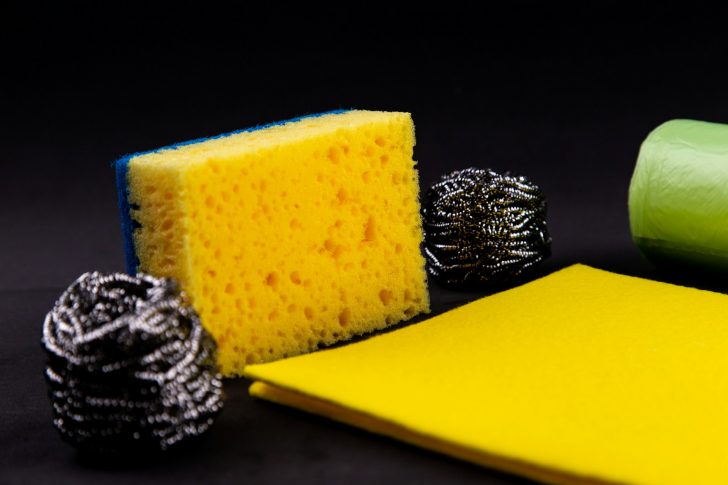
Volodymyr / Unsplash / Yellow sponges offer a touch more strength than blue ones, but they still stay in the safer range.
They handle tasks that require a little extra grit without risking scratches. Countertops, kitchen sinks, and lightly stained glassware respond well to yellow because the surface gets clean without harsh pressure.
These sponges help you deal with everyday messes that accumulate slowly, such as dried water spots or light food residue. If you need something stronger than a pure soft scrub, yellow fills that gap.
Green Sponges
Green sponges are the classic choice for regular dishwashing. They offer moderate abrasiveness, which gives them enough power to break through grease and cooked-on grime. They handle durable surfaces like cast iron pots, baking sheets, and heavy-duty cookware that can take more scrubbing.
That strength comes with a catch. Green sponges are too rough for delicate surfaces and can leave scratches behind. Think of them as the go signal for big jobs, not fragile items. If the mess is stubborn and the material is tough, green earns its place.
Red Sponges and Other High Alert Colors
Usually, red sponges signal high-risk cleaning zones. Their color works as a warning, so you never confuse them with the ones used on dishes or food prep areas. Many people assign red sponges to the sink area, especially when raw meat has been rinsed. This prevents harmful bacteria from traveling to clean tableware.
You may also see black sponges in some stores. These are extremely abrasive and meant only for hard surfaces that need major scrubbing. They can strip away baked-on residue. But they can also tear up coatings and finishes if used carelessly. Treat them as a last resort tool.
Choosing the Right Sponge for Non-Stick Cookware
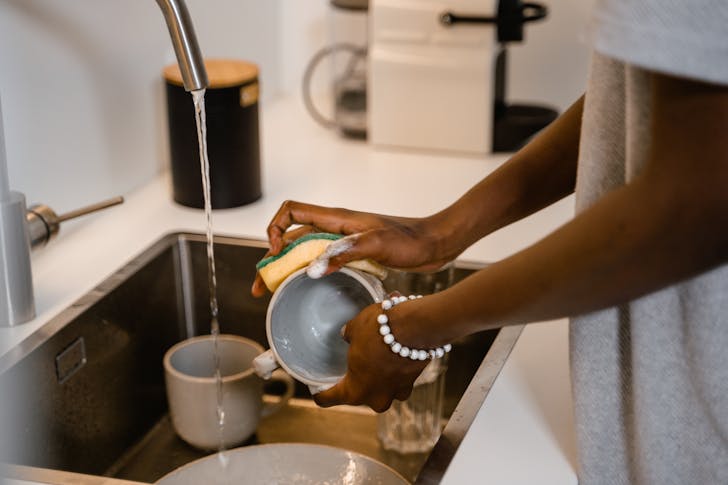
Mart / Pexels / Non-stick pans need extra care. Even a small scratch can ruin their coating and shorten their life.
A color code helps, but texture matters even more. Always reach for a non-abrasive sponge or a soft washcloth when cleaning these surfaces.
Blue sponges or gentle yellow ones are the safest choices for non-stick cookware. They remove food without grinding it into the coating. You can also use non-scratch plastic scrubbers designed for delicate cookware. These clean well but stay smooth on the surface.
Avoid steel wool, rough scouring pads, or anything known for heavy scrubbing. Green and black sponges fall into that category and should never touch non-stick surfaces.
Remember, a basic color system can make your kitchen cleaner. When each sponge has a job, you cut down on cross-contamination, and your dishes and counters stay safer. Separate sponges for food areas and non-food areas keep bacteria from spreading in ways you do not see.