Every summer, homeowners search for quick ways to keep ants out of kitchens, patios, and pantries. Among the countless tips circulating online, one suggestion appears again and again: place scented dryer sheets around your home to repel ants.
The idea sounds simple enough. Dryer sheets already sit in most laundry rooms. And why not? They smell pleasant, and they seem harmless compared to chemical pesticides. For many people, that makes the hack appealing. But does it actually work?
According to insect experts, the answer is more complicated than a simple yes or no. Scented dryer sheets may affect ant behavior for a short period, but they are far from a reliable solution. In some situations, they may even create new problems instead of eliminating the original one.
Why Ants React to Scented Dryer Sheets?
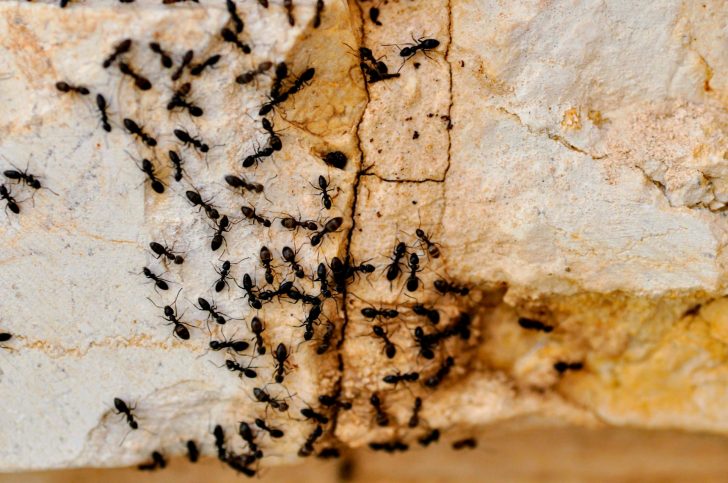
Kops / Unsplash / Many scented dryer sheets contain compounds and fragrances that insects find unpleasant.
One of the most commonly cited ingredients is linalool, a naturally occurring substance found in plants such as lavender and coriander.
Linalool is recognized by the Environmental Protection Agency as a substance with pesticidal properties. That does not mean it functions like a professional insect treatment, but it can influence insect behavior.
Some dryer sheets also contain fragrances inspired by citronella, cinnamon, or other scents known for their insect-repelling qualities. Ants rely heavily on their sense of smell. Unlike humans, they navigate much of their world through chemical signals.
When ants locate food, they leave pheromone trails that guide other colony members to the same source. These invisible scent highways allow colonies to move efficiently between nests and food supplies.
Strong fragrances can interfere with that communication system. When ants encounter overwhelming scents, they may become confused or avoid the immediate area. That reaction explains why some homeowners report seeing fewer ants after placing dryer sheets near entry points or countertops.
However, there is an important distinction between disturbing ants and solving an infestation.
The Problem With Temporary Repellents
While dryer sheets may cause ants to scatter, they do not eliminate the colony behind the invasion. This is where many homeowners misunderstand the situation. Seeing fewer ants in one location does not necessarily mean the problem has disappeared.
Entomologist Emma Grace Crumbley notes that strong scents can disrupt ant foraging activity. The insects may abandon a specific path or temporarily avoid an area that smells unfamiliar. The colony still exists. The queen remains active. Thousands of worker ants may still be present nearby.
If food and water remain available, ants often find another route. Instead of marching across the kitchen counter, they may begin appearing in a pantry, bathroom, laundry room, or another part of the house.
In some cases, this relocation can make the infestation harder to manage. What was once a visible problem becomes scattered across multiple locations. That outcome creates the illusion of progress while allowing the underlying issue to continue.
Experts warn that repelling insects is not the same as controlling them. A true solution addresses the source of the infestation rather than merely redirecting it.
Why Ants Keep Coming Back?
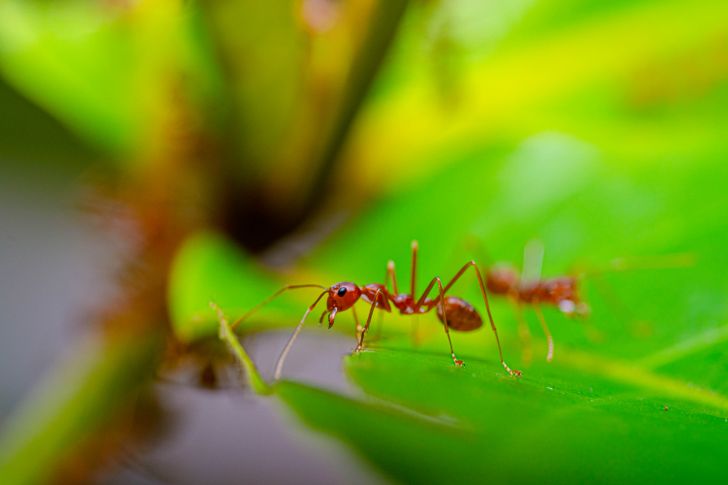
Zacks / Pexels / Ants do not enter homes randomly. They arrive because something inside attracts them. Food remains the biggest draw.
Even tiny crumbs, sticky spills, or uncovered containers can provide enough nutrition to support large numbers of ants. Water is another major attraction. Leaky pipes, damp areas under sinks, pet water bowls, and condensation around appliances can all create inviting conditions.
As long as those resources remain available, ants have a reason to stay nearby. This is why experts consistently emphasize sanitation as the foundation of ant control.
A clean kitchen removes many of the rewards that attract ants in the first place. Wiping counters, sealing food containers, sweeping floors, and fixing moisture issues can significantly reduce activity. Without access to food and water, colonies are far less likely to establish regular foraging routes inside a home.