Americans are heading back to restaurants, and the timing is not random. The arrival of 2026 tax refunds has given millions of households a brief boost in cash. That money is quickly finding its way into dining rooms across the country.
Spending jumped 85% in the two weeks after refunds hit bank accounts, according to the latest data. Restaurant spending alone rose by 53%, showing that eating out was a top priority for many people.
The average tax refund reached $3,462 this year, which is more than 11% higher than last year. That increase gave families breathing room they have not felt in a while. Instead of stretching every dollar, many chose to enjoy a meal out.
This surge reflects something deeper than just extra cash. It shows that people have been holding back. Dining out was one of the first things cut when budgets got tight, and now it is one of the first things coming back.
Sit-Down Restaurants Make a Strong Comeback
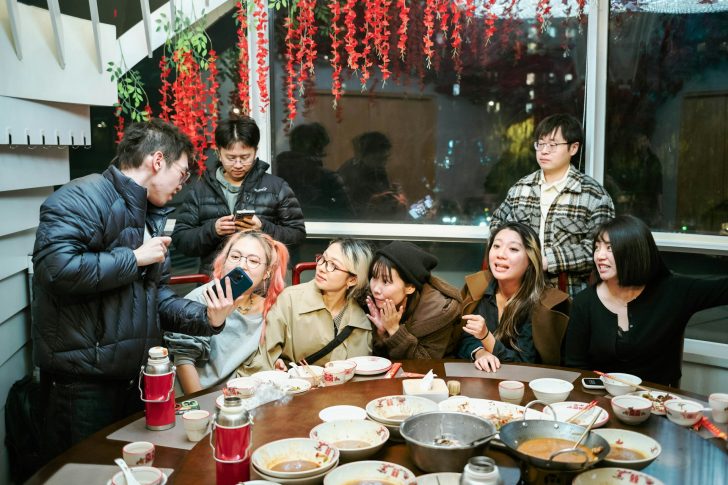
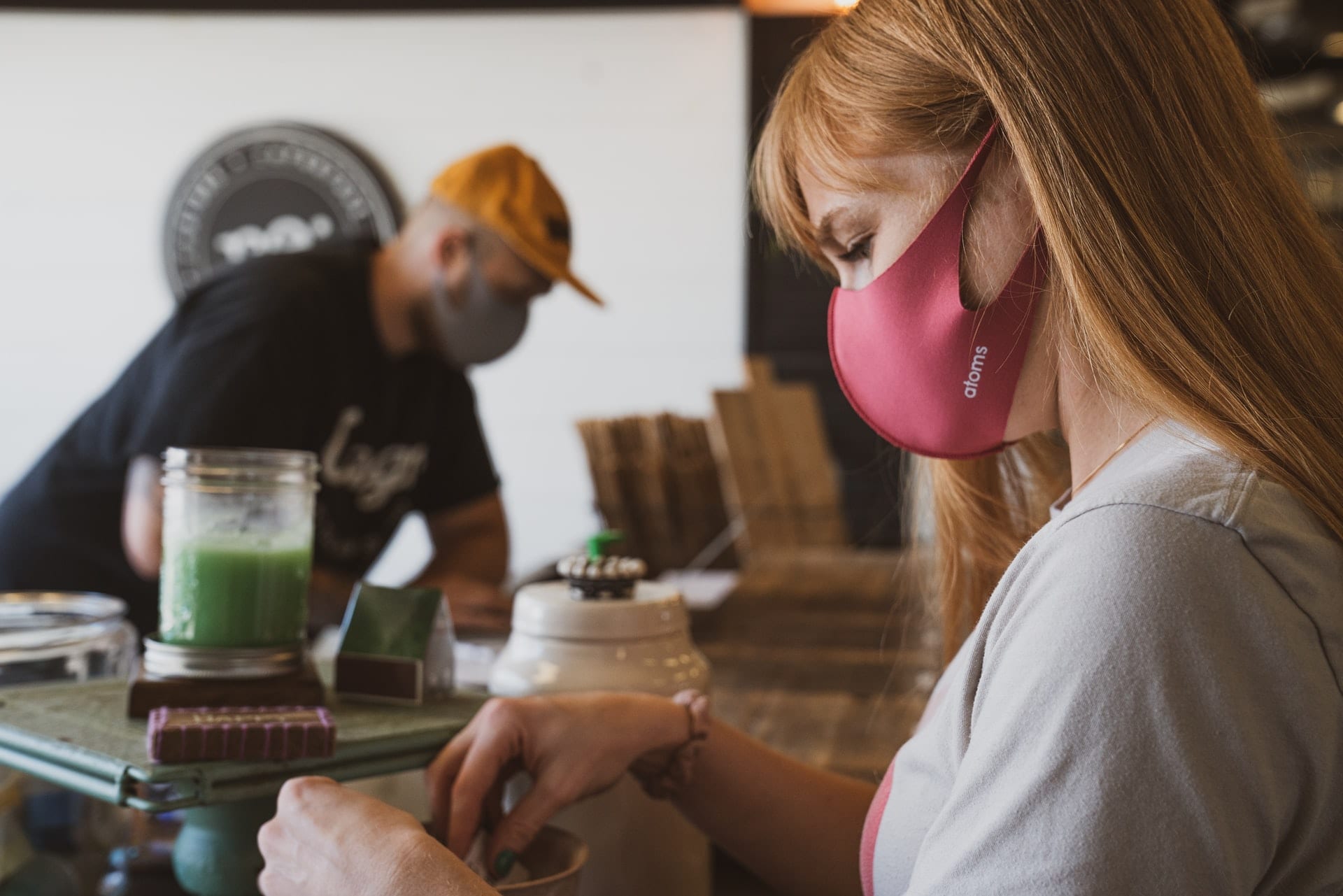
Tom / Unsplash / Full-service restaurants are seeing the biggest gains from this spending wave. Many diners are skipping fast food and going straight for sit-down meals.
Some restaurant chains are experiencing unusually sharp increases in spending, and the scale of those jumps is hard to ignore. Spending has surged 183% at Chili’s, 127% at Texas Roadhouse, and 80% at Buffalo Wild Wings. These aren’t marginal gains—they reflect a meaningful shift in how consumers are choosing to spend when they have even a little extra room in their budgets.
Fast food continues to grow, though at a slower rate. McDonald’s recorded a 36% increase, which is notable but significantly lower than that of casual dining. The gap suggests that when consumers have additional spending power, they are choosing more complete dining experiences over convenience-driven options.
The timing of this change is critical. Tax refunds are driving much of the current surge, giving households a temporary increase in disposable income. After extended periods of cautious spending, consumers are using this window to return to dining habits they previously reduced.
However, this boost is temporary. As refund money runs out, spending patterns are likely to tighten again.
At the same time, dining out is becoming more expensive. Restaurant prices have risen faster than grocery costs for three consecutive years. In March 2026, prices increased by another 0.3%.
Over time, the difference becomes clear—6% growth for dining out compared to 3% for groceries. This shift makes eating out feel more like a luxury.
Value Matters More Than Ever
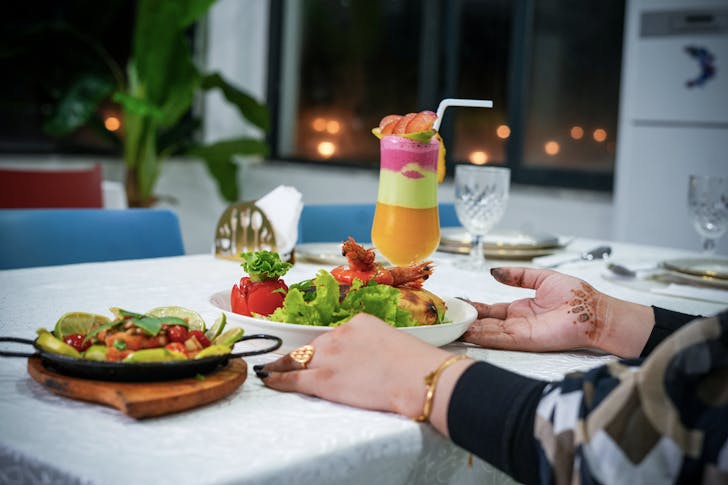
Lay / Pexels / Even with this surge, diners remain cautious about how they spend. Value is the main factor guiding decisions.
Even with higher spending, people are not ignoring value. Expectations have risen alongside prices. Customers want quality, portion size, and atmosphere to align with what they’re paying.
Younger consumers are driving much of the current activity. Millennials and Gen Z are more willing to spend on dining, viewing it as both an experience and a social activity.
Older groups, particularly Gen X and baby boomers, are more cautious, reducing spending in response to rising costs.
For Gen Z, dining out is about connection. That social dimension helps explain why casual dining continues to outperform fast food.